

How Does High Altitude Affect Diabetic Retinopathy? Flagstaff Ocular Disease Management Guide

How Does High Altitude Affect Diabetic Retinopathy? Flagstaff Ocular Disease Management Guide

How Does High Altitude Affect Diabetic Retinopathy? Flagstaff Ocular Disease Management Guide

How Does High Altitude Affect Diabetic Retinopathy? Flagstaff Ocular Disease Management Guide

How Does High Altitude Affect Diabetic Retinopathy? Flagstaff Ocular Disease Management Guide

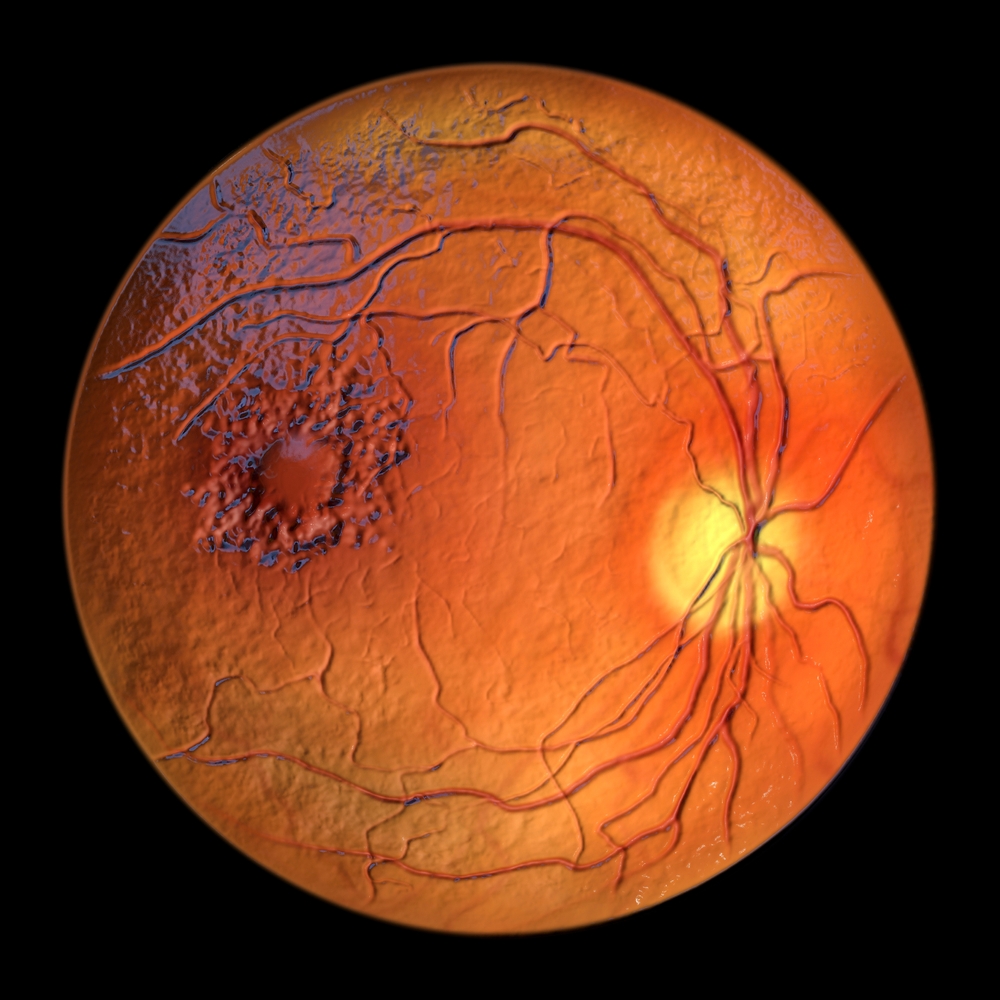
Flagstaff sits at about 7,000 feet. Thin air defines the place. Dry air follows close behind. Most residents adjust without thinking about it. Diabetes complicates that adjustment.
Does elevation make diabetic retinopathy worse? The research offers no clean answer. What it does offer is a set of clues worth knowing before your next eye exam.
What Elevation Does to the Retina
Lower oxygen triggers a response in the body. Blood flow to the retina rises, and vessels widen to compensate. In a healthy eye, the adjustment is harmless and reverses once oxygen levels return to normal.
A diabetic retina is a different story. Years of high blood sugar leave vessels weakened and leaky. Extra pressure raises a fair question. Could that strain tip fragile vessels toward bleeding or swelling?
What the Studies Actually Found
One small study followed seven type 1 diabetic climbers with tight blood sugar control above 23,000 feet. One already had retinopathy. After the climb, that same climber showed a microhemorrhage. The other six had clean retinas before and after.
Seven people is a tiny sample, and it cannot prove cause and effect. It does point to one possibility. A retina already showing disease may be what tips the balance. Altitude alone may not.
Another study looked at populations rather than climbers. It compared diabetics near 2,400 feet with those at 12,500 feet in North India. Retinopathy was less common at high altitude. Five percent versus 18 percent. Although that number sounds promising, it comes with problems. Diet, activity, and access to care differ between those groups. Altitude cannot take sole credit for the gap.
Put the two studies side by side and a picture forms. Strong evidence that altitude worsens diabetic retinopathy across the board is missing. So is proof that every diabetic eye handles elevation well.
Why This Matters in Flagstaff
Visiting altitude is one thing. Living here is another. Residents face year-round exposure. Dry air stresses the tear film, and many locals know the burn and grit of chronic dry eye.
Add diabetes to that mix and the eye carries two burdens at once. An unstable tear film makes vision fluctuate. Retinopathy adds its own changes beneath the surface. Telling them apart during an exam takes care.
Distance matters too. Specialists sit hours away in the valley. New floaters at 7,000 feet mean a drive before anyone examines the retina.
What Actually Protects Vision
Blood sugar and blood pressure drive diabetic retinopathy more than any trip to the mountains. That fact has decades of research behind it. Altitude does not.
The standard of care is well established. A dilated eye exam every year catches changes early. Imaging maps the retina in detail. Optical coherence tomography handles structure. Fluorescein angiography shows blood flow. When sight threatening disease appears, options include anti VEGF injections, laser treatment, and surgery for advanced cases.
Those basics do the heavy lifting. The altitude question sits alongside them.
A Practical Plan for Local Patients
A few steps make sense for anyone with diabetic retinopathy living at elevation.
Get a baseline retinal exam before any high-altitude travel, especially above 10,000 feet. The climber study authors made that exact recommendation.
Keep blood sugar and blood pressure steady. Control has evidence behind it. Altitude speculation does not.
Watch for warning signs. New floaters, flashes, or a curtain over part of the vision call for a prompt appointment, at any elevation.
Stay ahead of dry eye. Lubricating drops help. So do lid hygiene and screen breaks. Together they keep the tear film stable, which makes subtle retinal changes easier to spot.
Elevation is not a proven villain for diabetic retinopathy. It is not a proven friend either. Existing retinal health and overall diabetes control remain the factors that matter most.
Flagstaff patients face a distinct mix. Thin air and dry climate. Long drives to specialty care. That mix calls for vigilance, not fear. Yearly dilated exams, steady blood sugar, and a conversation with your eye doctor before any mountain trip cover the ground the research leaves open.
For more on how high altitude affects diabetic retinopathy, visit Highline Eye Care at our office in Flagstaff, Arizona. Call (928) 240-9214 to book an appointment today.
https://eyewiki.org/High_Altitude_Retinopathy
https://www.researchgate.net/publication/5521447_Diabetic_Retinopathy_at_High_Altitude


Our Services
Contact Info
Hours of Operation
- Monday 8:00 AM - 5:00 PM
- Tuesday 9:00 AM - 6:00 PM
- Wednesday 8:00 AM - 5:00 PM
- Thursday 9:00 AM - 6:00 PM
- Friday 8:00 AM - 5:00 PM
- Saturday Closed
- Sunday Closed
© 2026 Highline Eye Care. All rights Reserved. Accessibility Statement - Privacy Policy - Sitemap
Powered by:

