

What Is Ocular Disease Management and Why It’s Important

What Is Ocular Disease Management and Why It’s Important

What Is Ocular Disease Management and Why It’s Important

What Is Ocular Disease Management and Why It’s Important

What Is Ocular Disease Management and Why It’s Important

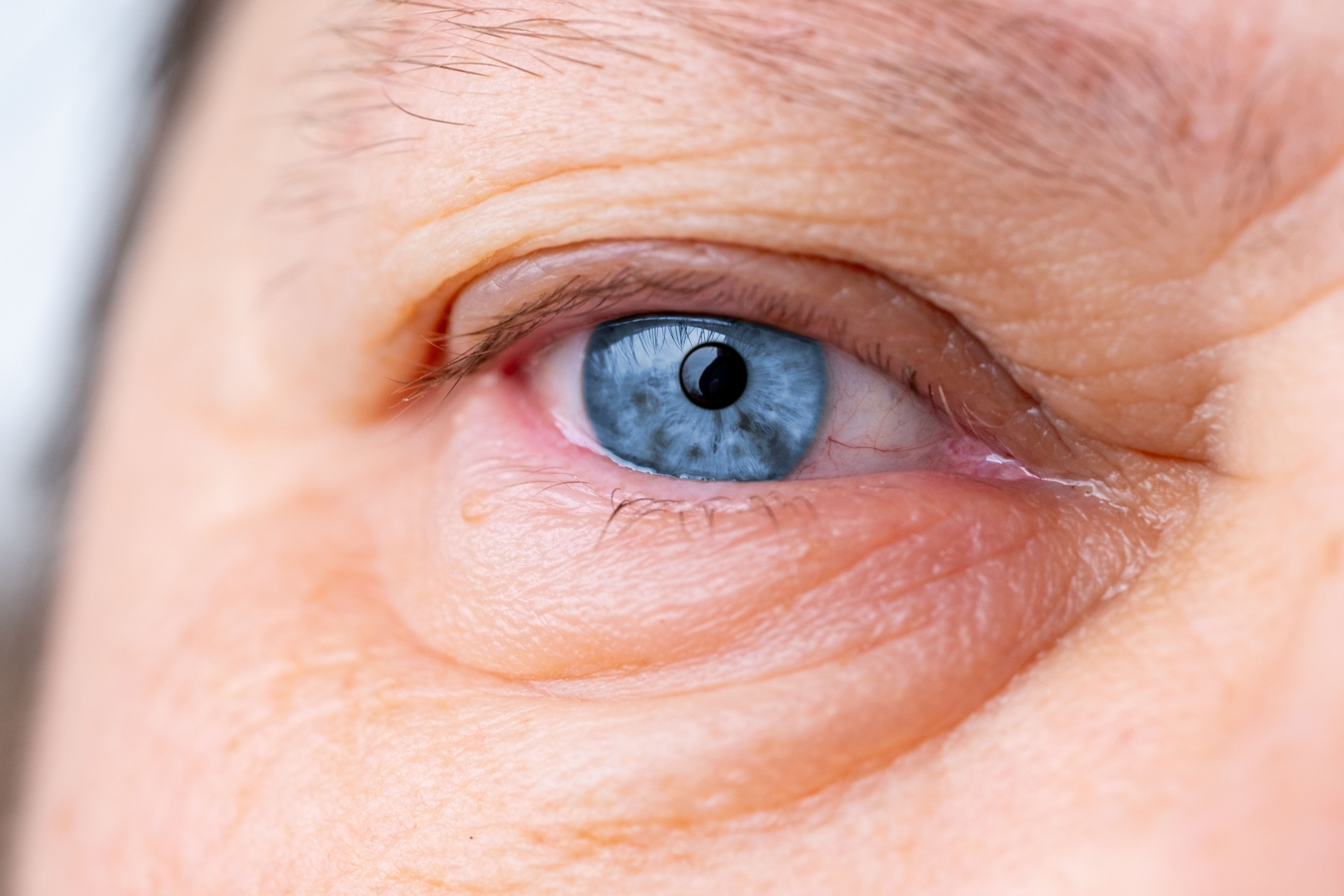
Ocular disease management focuses on detecting, monitoring, and treating eye diseases that can affect long-term vision and overall eye health. Many eye conditions develop slowly and may not cause noticeable symptoms in the early stages. That is why regular eye exams and ongoing care are so important. At Highline Eye Care in Flagstaff, AZ, we provide ocular disease management for patients who need more than a routine vision check. Our goal is to identify concerns early, manage existing conditions carefully, and help protect your sight over time. Many serious eye diseases are easier to manage when they are found early. Conditions such as glaucoma, diabetic eye disease, cataracts, macular degeneration, and chronic dry eye can progress before vision changes become obvious. A comprehensive eye exam allows us to evaluate the health of the retina, optic nerve, cornea, lens, and other important structures. For patients in Flagstaff, this type of preventive care can make a meaningful difference in preserving vision and reducing the risk of complications. Early detection does not always mean a condition is severe. It means we have the opportunity to track changes, recommend treatment when needed, and help patients understand what is happening with their eyes. Ocular disease management can involve several types of eye conditions, depending on a patient’s age, health history, symptoms, and risk factors. Some patients need short-term treatment, while others benefit from long-term monitoring. Eye conditions we may evaluate and manage include: By monitoring these conditions closely, we can help patients receive the right level of care at the right time. Ocular disease management begins with a detailed examination. During your visit, we may check visual clarity, eye pressure, retinal health, focusing ability, and the condition of the front and back of the eye. These evaluations help us look beyond prescription changes and identify signs of disease. For patients with diabetes, a family history of glaucoma, high blood pressure, autoimmune conditions, or previous eye problems, regular monitoring is especially important. In Flagstaff, we often see patients who feel their vision is “fine” but still have underlying changes that need attention. A thorough exam helps create a clear baseline. From there, we can compare future results and recognize changes more accurately. Not every eye disease requires the same treatment plan. Some conditions may need prescription eye drops, lifestyle recommendations, specialty testing, medication management, or referral coordination with an ophthalmologist or specialist. At Highline Eye Care, we take a personalized approach to ocular disease management. We explain findings in a clear way, review treatment options, and help patients understand what to watch for between visits. Ongoing monitoring is often just as important as the initial diagnosis. If a condition changes, we can adjust recommendations and help prevent avoidable damage to the eye. Your eyes are connected to your overall health. Diabetes, high blood pressure, medications, inflammation, and aging can all influence eye health. Ocular disease management helps connect these factors with a proactive vision care plan. For many patients in Flagstaff, the goal is not only to treat a current issue but to maintain healthy vision for daily activities, work, driving, reading, and time outdoors. Regular eye disease management gives patients a better understanding of their risks and a stronger path forward. You should schedule an eye exam if you notice blurred vision, eye pain, flashes, floaters, redness, light sensitivity, vision loss, or frequent changes in your prescription. You should also keep routine visits if you have diabetes, glaucoma risk factors, a history of cataracts, or a family history of eye disease. Even without symptoms, ocular disease management can help detect problems before they interfere with your vision. For ocular disease management and comprehensive eye care in Flagstaff, AZ, contact Highline Eye Care at 1600 West University Ave Suite 105 by calling (928) 240-9214.Understanding Ocular Disease Management
Why Early Detection Matters
Common Conditions We Monitor and Manage
The Role of Advanced Eye Exams
Personalized Treatment and Monitoring
Why Ocular Disease Management Supports Long-Term Vision
When to Schedule an Eye Health Evaluation


Our Services
Contact Info
Hours of Operation
- Monday 8:00 AM - 5:00 PM
- Tuesday 9:00 AM - 6:00 PM
- Wednesday 8:00 AM - 5:00 PM
- Thursday 9:00 AM - 6:00 PM
- Friday 8:00 AM - 5:00 PM
- Saturday Closed
- Sunday Closed
© 2026 Highline Eye Care. All rights Reserved. Accessibility Statement - Privacy Policy - Sitemap
Powered by:

